Crisps*, crumbs and the cold shoulder: 7 things never to say to someone going through the menopause (And what to say instead)
There are certain lessons in life that men tend to learn the hard way. Not putting metal in the microwave. Never asking “Are you nearly ready?” when someone is doing their hair. And, as I’ve discovered during my wife’s perimenopause, that even the innocent act of eating a packet of crisps can apparently make you deeply, profoundly irritating.
It’s not personal. At least, that’s what I tell myself. Living alongside perimenopause is a bit like suddenly finding yourself in a play where the script has changed but nobody thought to give you the new pages (Admittedly that’s often the case for both parties).
One minute everything feels normal, the next you’re wondering how breathing too loudly has somehow become an act of provocation. Over time, you realise that the only way through is to listen, learn, and occasionally accept that you are – quite possibly – the most annoying human being on Earth.
For many men, menopause arrives in their lives not as a chapter in a health book but as a series of confused domestic moments. The mood swings you don’t understand. The exhaustion you can’t see. The sense that something big is happening, but you’re not entirely sure what your role in it should be. Which is why learning about it matters – because the more you understand what’s going on, the less likely you are to take it personally when your choice of snack suddenly becomes a marital offence.
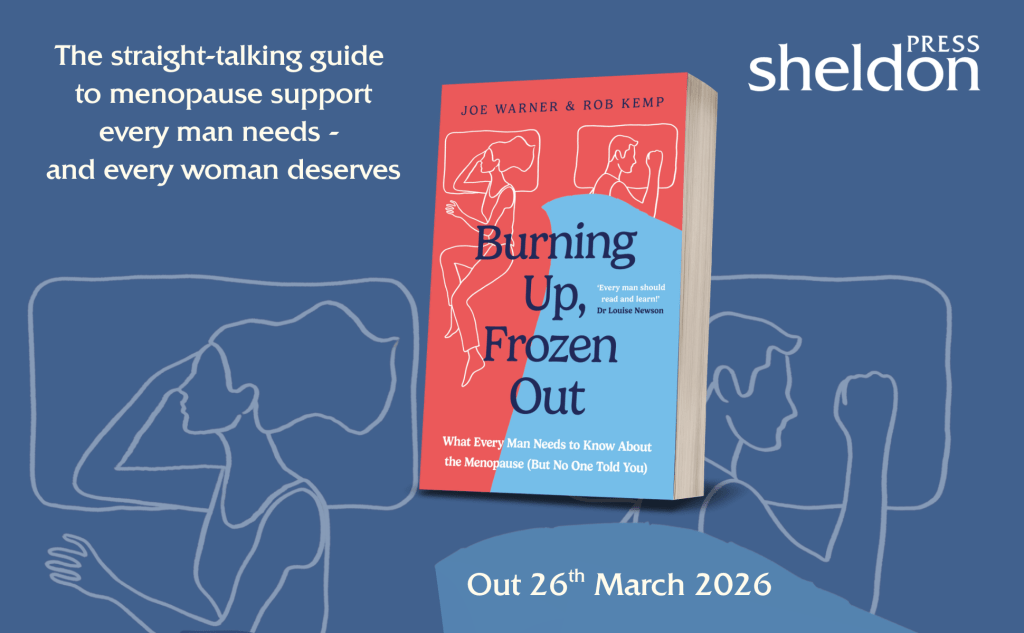
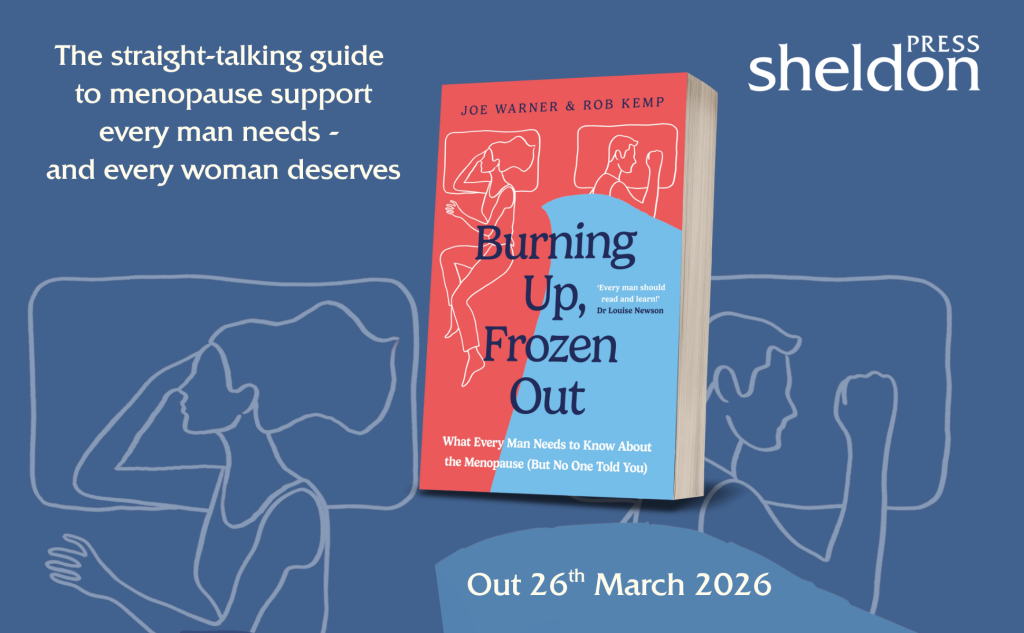
While writing ‘Burning Up, Frozen Out: What Every Man Needs to Know About the Menopause (But No One Told You)‘, my co-author Joe Warner and I spoke to menopause specialists, relationship experts, psychologists and – somewhat unexpectedly – a hostage negotiator. (Yes, really.)

The reason? We wanted to understand why conversations around menopause can sometimes go spectacularly wrong – and how men can handle them better. When the menopause first arrived in our own lives, we went looking for a straightforward guide explaining what on earth was happening. There were plenty of excellent books written for women experiencing menopause, but almost nothing for the husbands, partners, sons, brothers, friends and colleagues who wanted to help without accidentally making things worse.
So we started digging. We asked women what men say that helps – and what absolutely doesn’t. Because it turns out there are plenty of conversational tripwires: throwaway remarks, badly timed jokes and well-meaning bits of advice that can turn a normal chat into a full-blown domestic drama. In fact, one survey conducted by The Family Law Menopause Project and Newson Health Research and Education found that seven in ten women who responded believed menopause contributed to the breakdown of their marriage.
The good news for everyone (except divorce lawyers) is that a little awareness goes a long way. So before you say something that earns you a chilly silence (or a night on the sofa), here are seven phrases best avoided – and what to say instead.
1. “It’s just a phase.”
Why not to say it: This might sound reassuring in your head. Out loud, however, it can sound dismissive. Menopause isn’t simply a rough week or a mood swing – it’s a major biological transition that can last several years and affect everything from sleep and mood to energy, memory and sex drive.
What to say instead: “How are you feeling today?”
It’s simple, supportive and shows you’re listening rather than brushing things off.
2. “You’re not yourself lately.”
Why not to say it: Even if you mean it gently, it can land like criticism. Many menopausal symptoms are driven by hormonal changes rather than conscious behaviour, and many women are already aware that they feel different.
What to say instead: “You seem like you’ve got a lot going on – do you want to talk about it?”
It opens the door to conversation instead of closing it.
3. “Just let the doctors deal with it.”
Why not to say it: Medical support matters – but menopause isn’t just a medical issue. It can also bring anxiety, emotional upheaval and questions about identity and ageing. Saying the doctors will handle it can unintentionally make her feel as though she’s dealing with it alone.
What to say instead: “I’m here with you. Would it help if I came to the appointment or helped keep track of things?”
Support can be practical as well as emotional.
4. “You’re overreacting – just calm down.”
Why not to say it: This phrase rarely calms anyone down in any situation – and menopause is no exception. When oestrogen levels drop, the brain’s ability to regulate stress and emotion can take a hit. What looks like an overreaction from the outside can feel overwhelming from the inside.
What to say instead: “It’s okay. I’m here – take your time.”
Bring calm rather than confrontation. Think emotional fire extinguisher, not petrol on the flames.
5. “You’re not the woman I married.”
Why not to say it: Few sentences land harder than this. Menopause often arrives alongside other big life shifts – children leaving home, ageing parents, career changes. Many women are already adjusting to a sense of transition.
What to say instead: “I know this is tough – but I want to understand what you’re going through.”
The goal isn’t to compare past and present. It’s to move through the change together.
6. “I know exactly how you feel.”
Why not to say it: You mean well. But the truth is you probably don’t – and that’s okay. Menopause is a deeply personal experience shaped by biology, identity and life stage.
What to say instead: “I can’t fully imagine what that’s like, but I want to understand.”
That honesty often means far more than pretending you’ve got it all figured out.
7. “I’ve had a tough day too.”
Why not to say it: When someone is opening up about feeling overwhelmed, turning the conversation back to your own problems can make it feel like a competition.
What to say instead: “I’m sorry it’s been such a hard day – do you want to talk about it?”
Let her experience have the space first. Your tough day can wait ten minutes. Writing Burning Up, Frozen Out taught me and Joe something important: supporting someone through menopause isn’t about having the perfect line ready. It’s about showing up – patiently, calmly and with a willingness to listen. You’ll get things wrong sometimes. Everyone does. But if you stay curious, keep talking and resist the urge to offer instant solutions, you might just get through menopause not only still speaking to each other – but closer than before. And yes, with any luck, you might stay off the sofa tonight.
BURNING UP, FROZEN OUT: What Every Man Needs to Know About the Menopause (But No One Told You) By Joe Warner and Rob Kemp – Out 26 March 2026 – £16.99
*No crisps were consumed during the writing of this blog.
Related Posts

How is rejection sensitivity dysphoria different from normal rejection sensitivity? – An extract from ‘Why Does Everybody Hate Me’ by Alex Partridge
‘Why do I feel so guilty all the time?’ – extract from ‘Guilt Free’

What you need to know about internal family systems (IFS) – 8 frequently asked questions
Fear is the Killer of Dreams: Why Twenty-Somethings Should Take Risks

Parents and Schools Together Can Change Culture